
Behind on Your Mortgage in Arizona? Chapter 13 Can Stop a Foreclosure and Help You Catch Up

Oh! Hi, Homeowner. I'm Cheddar, a regular office cat. I was a street cat once, until I wandered in one night and forgot to leave. So I know what it feels like to need a home, and to worry about losing one. If your mortgage got away from you, here's the first thing to know: you're not alone, you're behind and you have options.
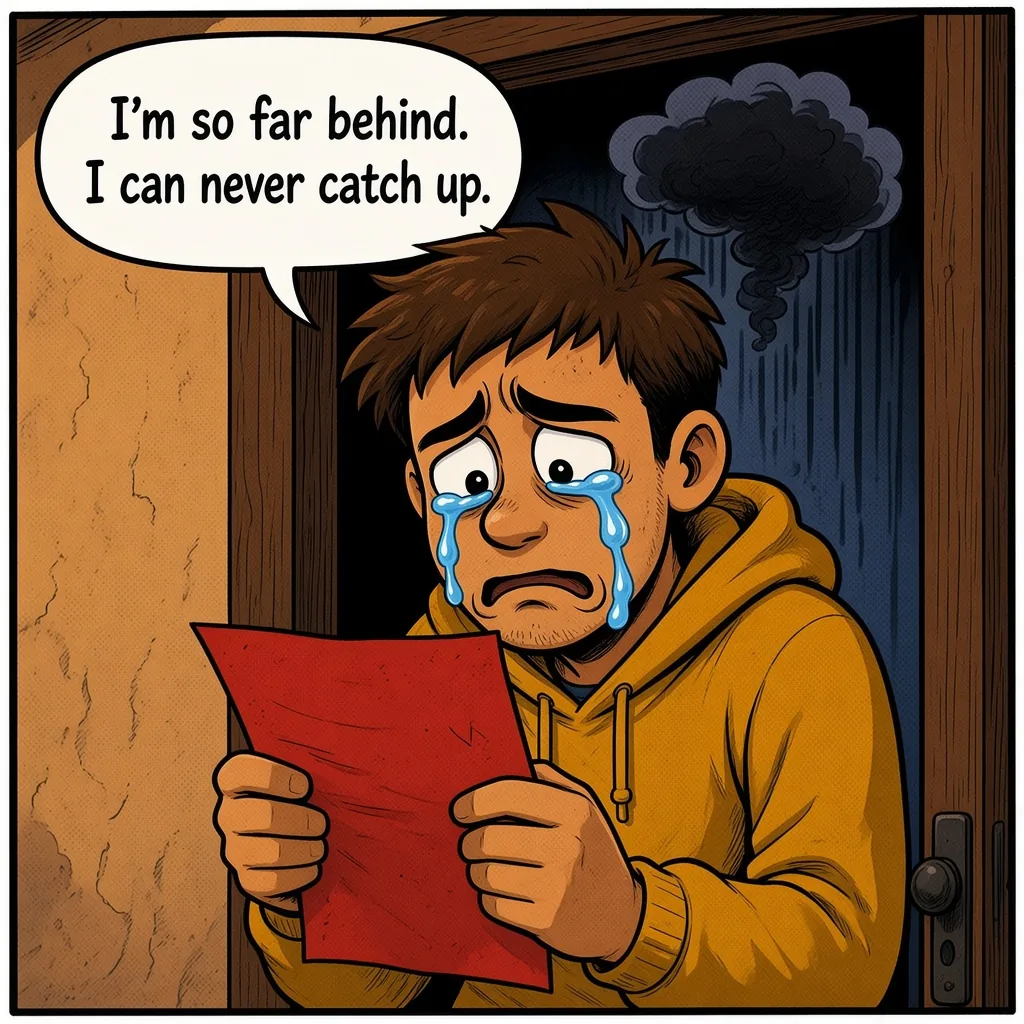
Notice of Trustee Sale Date posted on your door? You're probably scared and want to know what your options are. You might be surprised to learn that you even have options. I work in a law office, so I'm happy to help you out and explain some to you.

Can Chapter 13 stop a foreclosure in Arizona?
Usually, yes. When a Chapter 13 case is filed, the automatic stay goes into effect. It's a legal protection that kicks in automatically and stops most collection, including a trustee's sale. Filing puts the sale on hold. It doesn't erase what's owed, but it gives you the chance to catch up over time while you keep living in your home.
The law lets a homeowner cure a mortgage default in Chapter 13 up until the foreclosure sale actually happens. That's why timing matters. Arizona trustee's sales can move quickly. Once the sale is held, that chance is gone. If you've received a Notice of Trustee's Sale, talk to a bankruptcy attorney now, not the week of the sale.

One honest caution: if you had another bankruptcy case dismissed within the past year, the automatic stay may end after 30 days, and if you had two or more, it may not go into effect at all, unless the court extends or imposes it. An attorney can check this before anything is filed. Teddy, our courthouse tattler, spills the details in Teddy's Tattle: The Second-Filing Scoop.
How does catching up on missed mortgage payments work?
The missed payments, called the arrears, are rolled into your Chapter 13 plan and spread out over three to five years. For example, $6,000 in arrears spread over 60 months is about $100 a month, plus the trustee's share. In most cases the arrears are paid without interest, unless the loan documents and state law call for it.
Meanwhile, your regular monthly mortgage payment keeps going. You catch up on the missed payments while continuing to make current payments.

Who do I pay my mortgage to during Chapter 13?
In Arizona Chapter 13 cases, when you're behind on mortgage payments, the ongoing mortgage payment is made to the Chapter 13 trustee instead of straight to the lender. This is called a conduit payment: you pay the trustee, and the trustee pays the lender.
Your first payment to the trustee is due within 30 days after the case is filed, even before the plan is confirmed. The trustee keeps a percentage of what passes through, up to 10%, so for planning purposes a $2,000 mortgage payment means sending the trustee about $2,200. If your escrow for taxes and insurance goes up, or an adjustable rate changes, your plan payment may change too.

Problems making payments?
The trustee pays creditors once a month and doesn't send partial payments. If your plan payment comes up short, the lender may not get paid that month, and you can fall further behind. It helps to treat your plan payment as due on the 1st, not at the end of a grace period.
What happens to my payments before the plan is confirmed?
Payments made before confirmation are held by the trustee in a trust account. In Arizona, the trustee can start sending your ongoing mortgage payments to the lender even before confirmation and before the lender files its claim, so the mortgage doesn't fall further behind while the plan is being worked out.
Can the lender add fees while I'm in Chapter 13?
Sometimes. If the lender adds fees or charges after your case is filed, such as attorney fees for reviewing your plan, it has to file a formal notice with the court listing them within 180 days after the charge. You then generally have one year to ask the court to decide whether your mortgage and the law actually allow those charges. It's worth having your attorney look at any fee notice that shows up. You generally don't have to pay these fees out of your own pocket right away. If they're allowed, they're usually paid through your Chapter 13 plan.

What does it look like when I'm done?
Near the end of your plan, the trustee asks the court to confirm that the mortgage default has been cured. The lender has to respond, and the court enters an order. The goal is to finish your case current on your mortgage, with no surprise charges waiting on the other side.
What if I want to change the loan itself?
Some homeowners want a loan modification instead of, or along with, catching up through the plan. The District of Arizona runs a Mortgage Modification Mediation program for Chapter 13 debtors. Dark Whisker walks through how it works in The MMM Cafe.
So that's the secret, Homeowner. You don't need glasses or a crest to be a hero. Chapter 13 can be your cape, and your plan payment keeps it on. (SuperCheeser would say it better. Have you seen his cape?) Jeff's the one who helps you build the game plan and gets you back on your paws.
Behind on your mortgage in Chandler and the Phoenix metro area? Reach out to Jeff Biddle Law (and the Bankruptcy Cats).




Flare Explains
Notice of Trustee's Sale: The notice that sets a date to sell your home at a public auction. In Arizona it's recorded with the county and mailed to you, and the sale can be held about three months later.
Trustee's sale: The auction where an Arizona home is sold in a foreclosure without a court case. It's run by the trustee named in your deed of trust, who isn't the same person as the Chapter 13 trustee.
Automatic stay: The protection that stops most collection, including a foreclosure sale, once a bankruptcy case is filed.
Arrears: The missed payments, fees and charges owed on the mortgage when the case was filed.
Catching up through the plan: Paying the arrears over the three to five years of your Chapter 13 plan while you keep making the regular payment. You can use it as long as your case is filed before the trustee's sale is held.
Conduit payment: Your regular monthly mortgage payment, made through the Chapter 13 trustee instead of straight to the lender.
Trust account: Where the trustee holds plan payments until they're paid out under the plan.
Confirmation: The court's approval of your Chapter 13 plan. After that, you and your creditors follow the plan.
Chapter 13 trustee: A neutral administrator appointed through the U.S. Trustee Program who collects plan payments, pays creditors and makes sure the plan is followed. The trustee doesn't represent you or your creditors. You can look up your case and payments at the National Data Center before calling the trustee's office.

Notice of postpetition fees: The form a lender files to tell the court about fees or charges added after the case was filed.
Where this comes from
- The automatic stay: 11 U.S.C. § 362, including the prior-case limits in § 362(c)(3) and (c)(4).
- Catching up until the sale: 11 U.S.C. § 1322(c)(1), and interest on arrears under § 1322(e).
- First plan payment within 30 days: 11 U.S.C. § 1326(a)(1).
- The trustee's percentage: 28 U.S.C. § 586(e).
- Arizona conduit payments: Local Rule 2084-4.
- Fee notices, the challenge window and the final cure: Bankruptcy Rule 3002.1.
- Arizona trustee's sale notice: A.R.S. § 33-808.
Written October 2026. This post reflects the law as of that date, and laws and court rules change. It's general information, not legal advice, and reading it doesn't create an attorney-client relationship. For advice about your situation, talk with a bankruptcy attorney licensed where you live.
Filing Chapter 13 will not give you super strength, the power of flight, or a cape. Capes are sold separately. Glasses won't hide your identity either. Just ask Cheddar. On second thought, don't ask Cheddar. Let's not tip him off.
Attorney responsible for this content: Jeff A. Biddle, Jeff Biddle Law, (480) 622-4987, bankruptcycat.com.