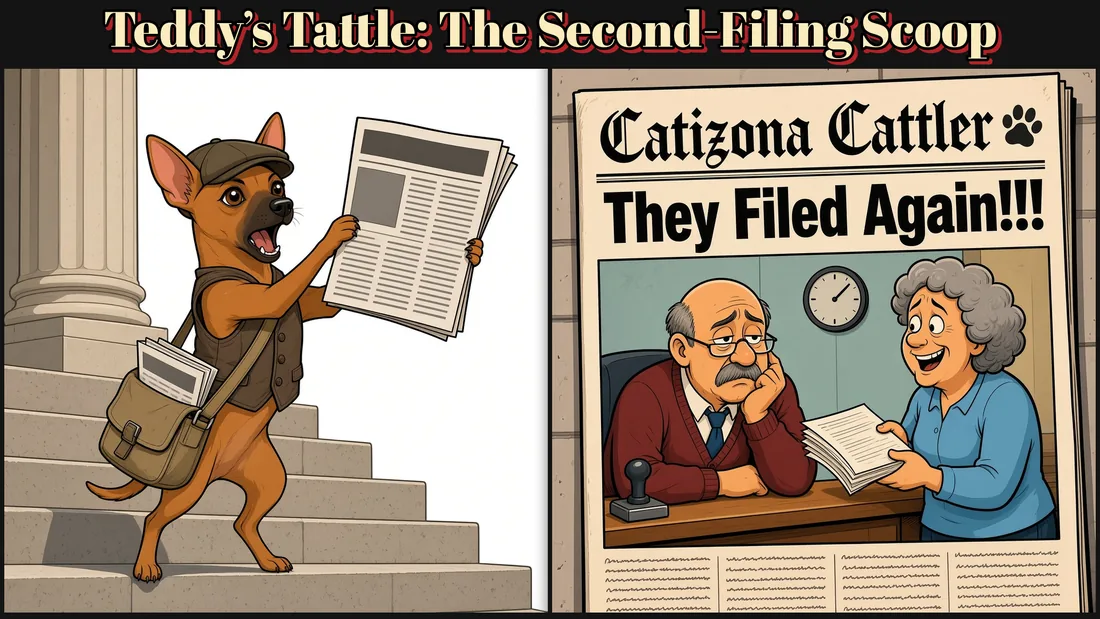
Filing Bankruptcy Again After a Dismissal in Arizona: What Happens to the Automatic Stay
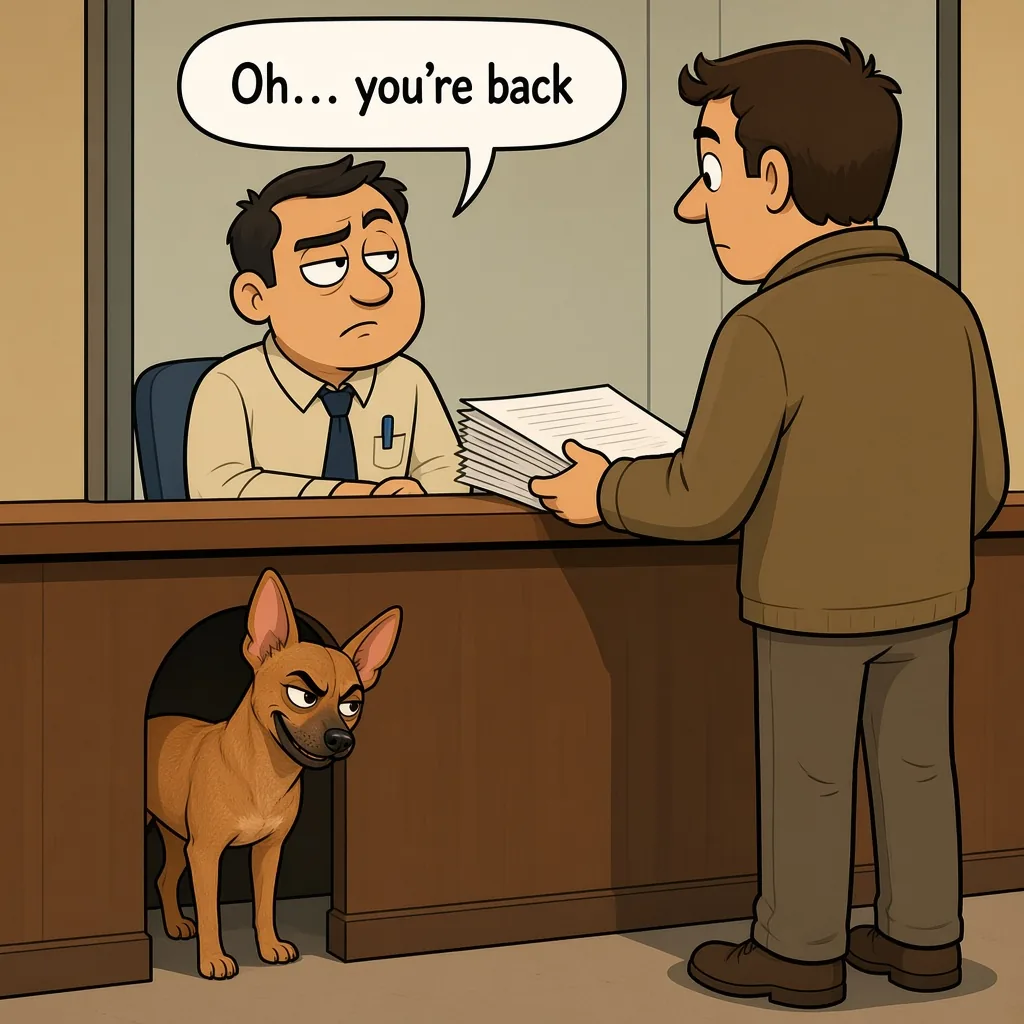
Narrated by Teddy, a regular little dog at the bankruptcy courthouse (also known as The Hound)
Hi! I'm Teddy. I'm a regular little dog. No collar, no clothes, no secrets. Just ears. Very big ears. I hang around the bankruptcy courthouse, and I hear EVERYTHING.
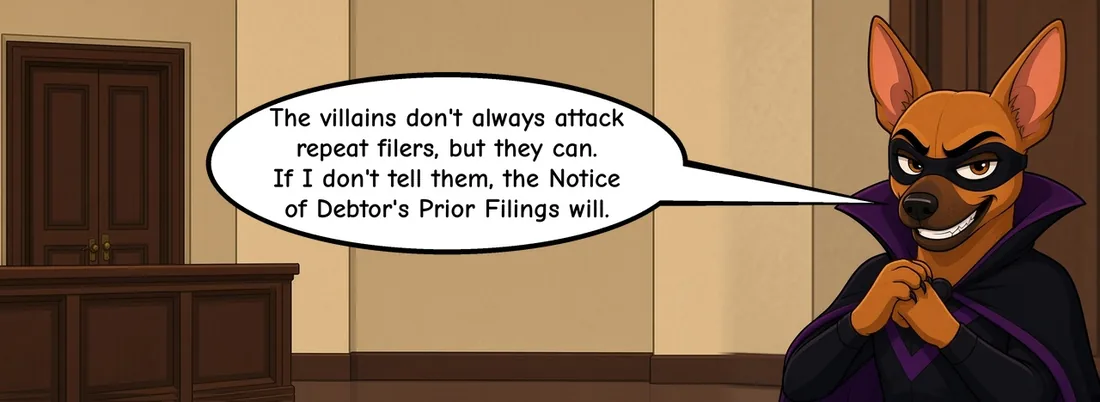
And when a case gets dismissed? I put on my black mask and my cape with the tall purple collar, and I become The Hound. Then I run. I run so fast. Because I have to tell somebody.
Today's news is the best news. Somebody had a case dismissed, and now they've filed again. Ooh, ooh, I have to tell everyone what that means. (Don't worry. I tattle on the villains too, when they get it wrong. I'm very fair. I tell on everybody.)
What's the big secret?
Usually, when a bankruptcy case is filed, the automatic stay goes into effect right away. It stops most collection: foreclosure sales, repossessions, lawsuits, garnishments and calls. The villains HATE it.
But if you had a case dismissed in the past year, the law looks at the new case with some suspicion:
- One case dismissed in the past year: the stay starts, but it ends on its own on the 30th day. In Arizona's federal circuit, the bankruptcy appeals court has said it ends completely, protection for the home and other property included. To keep it, the homeowner's attorney has to file a motion to extend the stay, and the court has to finish the hearing before that 30th day. It's best filed with the new case, and some judges prefer it that way.
- Two or more cases dismissed in the past year: the stay doesn't go into effect at all. The attorney can file a motion to impose the stay within 30 days after the new case is filed. Until the judge signs an order, there's no stay, and it doesn't reach back to cover anything that happened before the order.
Either way, the homeowner has to show the new case was filed in good faith, meaning what has changed since the last case, like steadier income, a leaner budget or a real plan to catch up. In some situations, and always when two or more cases were dismissed, the law presumes it wasn't filed in good faith. That can be overcome, but only with clear and convincing evidence. The judge decides. Nobody gets a promise. Not even me, and I'm a very good boy (allegedly).
Okay. Okay okay okay. Time to run.

Stop one: what can Captain Foreclosure do?
I found him counting down on his podium. "Captain! Captain! Guess who filed AGAIN?"
"Then my Countdown Clock starts ticking again!" he shouted. "No stay, no notice, no problem! The house is MINE!"
Ooh, half of that is wrong, and I'm telling. Here's the true part. Once the stay ends or never starts, a lender may go ahead with the trustee's sale. In Arizona, a sale that was postponed during a bankruptcy can be held soon after, without a new written notice to the homeowner. So the homeowner should ask the trustee for the current sale date and not wait for a letter.
A lender may also first ask the bankruptcy court for an order confirming the stay has ended, or that there isn't one. People call it a comfort order, and the court has to issue one on request.
Here's the part he left out. "The house is mine" isn't automatic. A motion to extend or impose the stay can still save the day, but only if it's granted in time. With one prior dismissal, the hearing has to be finished before day 30, not just filed. And Chapter 13 can still stop a sale if the stay is in place.
Then he whispered something scary, and it's partly true. If a court in an earlier case found a filing was part of a scheme to delay, hinder or defraud a lender, through repeat filings or a transfer of an interest in the home, it can enter an order about the home itself. If that order is recorded, it can keep the stay from protecting the home in any case filed within two years, even one filed by somebody else. But (tattle!) the debtor in the new case can ask the court for relief from it, for changed circumstances or good cause.
He also gets a head start if the homeowner wasn't allowed to file yet. That happens when:
- an earlier case was dismissed because the homeowner willfully didn't follow court orders or didn't show up to pursue the case;
- the homeowner asked to dismiss a case after a creditor had asked for relief from the stay;
- in Arizona, a case was dismissed "with prejudice." That means no new case for 180 days, counted from the day the dismissal order is entered, unless the order says otherwise.
In the first two situations, the homeowner generally can't be a debtor again for 180 days. A case filed inside any of those windows may not stop a foreclosure.

Stop two: what can The Repossessor do?
The Repossessor was polishing his Mega-Magnet. "Rex! Rex! Nobody calls you Rex, but REX!"
"HUR HUR HUR," he laughed. "No stay? Then every car in the state is mine!"
Not every car. I'm telling. Once the stay ends or never starts, a car lender may repossess the car under its contract and state law. It may ask for a comfort order first. Even when there is a stay, a lender may ask the court to lift it if payments stop. But it's one lender and its own car, not every car in Arizona.

Stop three: what can The Taxman and the Tax Troopers do?
The Taxman was color-coding penalty notices. "Mister Taxman! Guess what! Guess what!"
"Troopers, fall in!" he cried. "We collect EVERYTHING, and nobody can ever stop us!"
Ooh, that's a fib, and I'm telling. In a normal case, the stay does stop levies and most other tax collection. When there's no stay, the IRS and the Arizona Department of Revenue may resume levies and other collection. Some things aren't stopped, even in a normal case: audits, deficiency notices, demands for returns and assessments. A taxing authority can also generally offset a refund for a pre-bankruptcy tax year against a pre-bankruptcy income tax debt.
But here's the sneaky one he really loves. A past case can keep older income taxes from being wiped out. The time the earlier case's stay was in effect, plus 90 days, doesn't count toward the waiting periods. So a tax that seemed old enough may not be.
And if the stay is gone, the county's property-tax lien process may move ahead too.
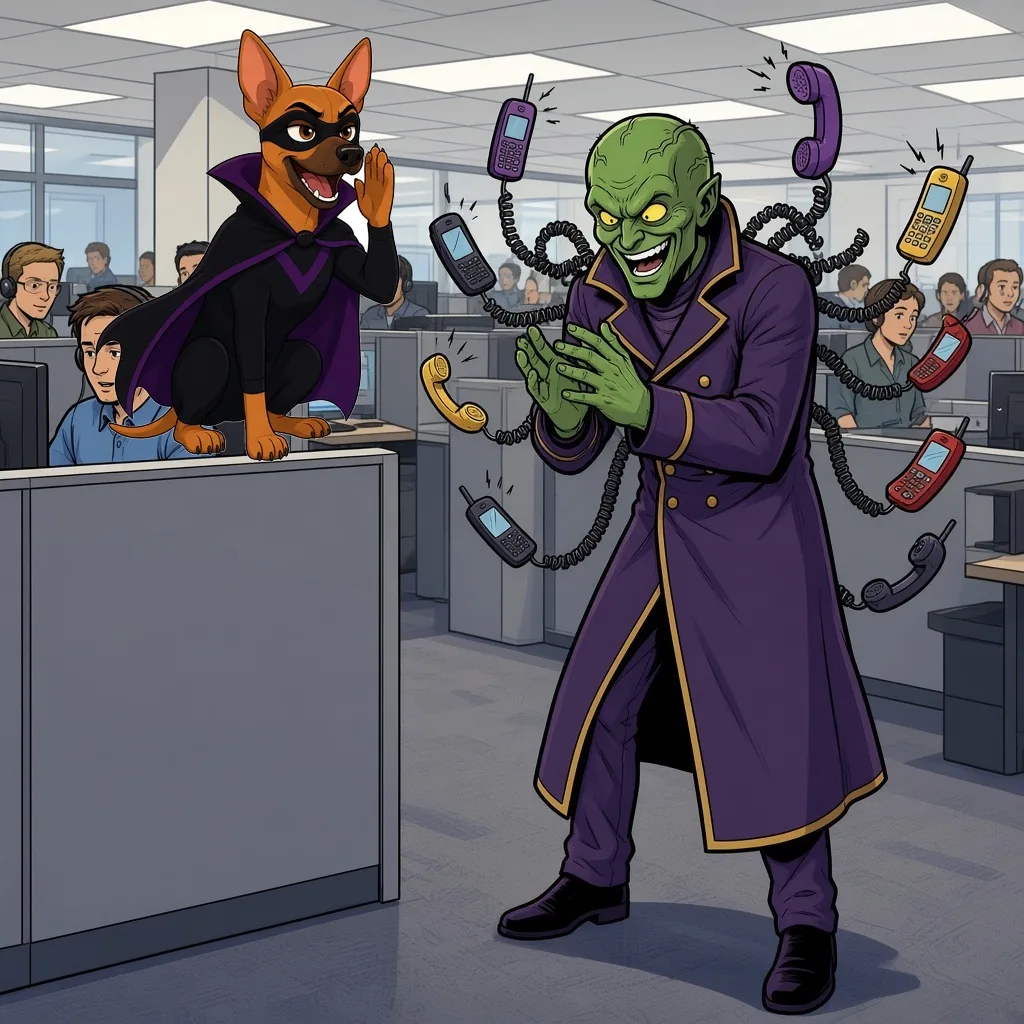
Stop four: what can The Collector and The Garnisher do?
I couldn't even finish my sentence. The Collector picked up on the first ring. "Hello? HELLO? Is this a good time?"
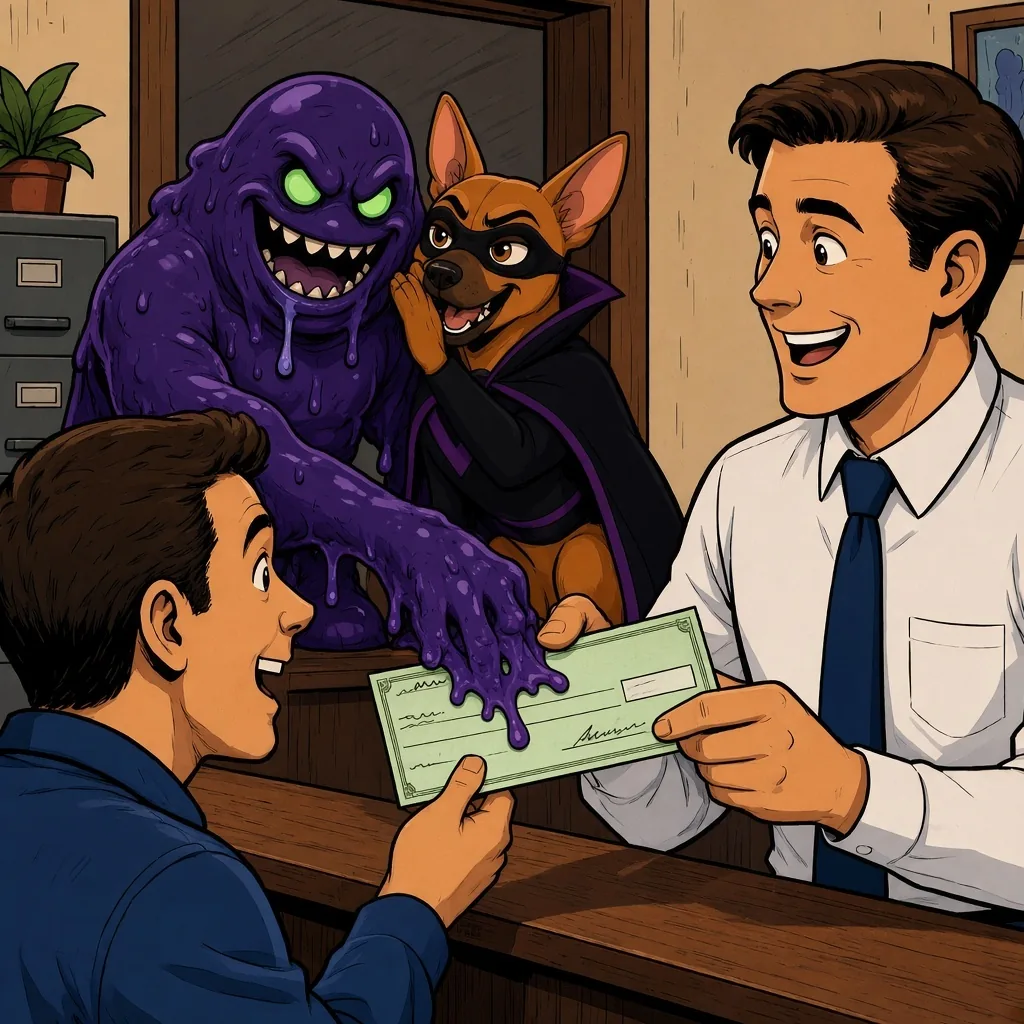
The Garnisher was already circling paydays with his big red marker. "No stay? Then payday is my favorite holiday again!"
Here's what they can really do, and I'm telling. Once the stay ends or never starts, credit card companies, medical billers and debt buyers may restart lawsuits, ask for judgments, start or continue wage and bank garnishments, and resume calls and letters. (Bank accounts are my department. I can smell a direct deposit from three counties away. I'm not proud of it. Okay, I'm a little proud.)

Who else did I tell?
I'm a tattle-tale, not a liar, so here's the rest:
- Landlords. Once the stay ends or never starts, a landlord may go ahead with an eviction. Even in a normal case, if the landlord got a judgment for possession before the filing, the stay generally won't stop that eviction for long. Federal law has a short-fuse cure process, but it depends on state law allowing a cure after judgment. In Arizona that's up to the landlord, so it usually won't help.
- Child support and alimony. Much of this isn't stopped even in a normal case. Support can still be collected from property outside the bankruptcy, through income withholding or by intercepting a tax refund, and cases to set or change support or custody can go forward.
Can there still be a discharge in the new case?
Maybe not. I heard this one in the hallway:
- New Chapter 13: no discharge if the homeowner got a discharge in a Chapter 7 case filed within four years before the new case, or a Chapter 13 case filed within two years.
- New Chapter 7: the wait is eight years after the filing of a Chapter 7 case that ended in a discharge. After a Chapter 13 case that did, it's six years, unless that plan paid unsecured creditors in full, or at least 70% as a good-faith, best effort.
- A waived or denied discharge: if the homeowner waived a discharge in an earlier case, or a court denied it for misconduct, debts that could have been listed then can't be wiped out later.
That doesn't bar the filing itself. Some homeowners still use Chapter 13 to stop a sale and catch up on the mortgage over time.

Flare Explains
Flare, Ember's kitten, breaks down the big words.
Automatic stay: The court protection that stops most collection once a bankruptcy case is filed.
Dismissed case: A case the court ended before a discharge, for example because payments stopped or paperwork wasn't filed.
Motion to extend / motion to impose the stay: Requests to keep the stay past day 30 (one prior dismissal) or to put one in place (two or more).
Good faith: An honest purpose in filing, like a real effort to pay and keep your home, not just to delay.
Comfort order: A court order confirming the stay has ended or never started.
Dismissal with prejudice: A dismissal that also blocks a new case for a while. In Arizona, unless the order says otherwise, that's 180 days from the day the dismissal order is entered.
180-day bar: A period when the law says you can't file again yet, for example after you willfully didn't show up to pursue your case, or after you dropped a case once a creditor asked the court for relief from the stay.
In rem order: A recorded court order tied to the house itself, not to the person, that can keep the stay from protecting that house in a new case for two years.
Trustee's sale: The Arizona foreclosure auction where the home is sold.
Garnishment: A court order, after a creditor wins a judgment, that takes money to pay the debt. A wage garnishment takes part of each paycheck, payday after payday. A bank garnishment takes what's in the account once.
Levy: A one-time seizure of money or property under a court order after a judgment, such as the funds in a bank account on the day of the levy.
Tax levy: A seizure the IRS or the Arizona Department of Revenue can make on its own, with no court order. A levy on a bank account takes what's there once. A levy on wages keeps taking from each paycheck until the tax is paid or the levy is released.
Refund offset: When the government keeps a tax refund to pay a debt instead of sending it to you.
Discharge: The court order at the end of a bankruptcy case that wipes out the debts the law allows.

So that's all the news. Every villain heard it from me first. But I always notice the same thing: by the time I get back to the courthouse, there's a Bankruptcy Cat already sitting on the scent, licking a paw like it owns the place.
That's because the homeowners who do best talk to an attorney before they file again. Bring the old case numbers, and Jeff can check which rules apply and whether a motion to extend or impose the stay makes sense. I'd tell you myself, but I have to go bark at the Mailman.
Filed bankruptcy before and facing foreclosure in Chandler and the Phoenix metro area? Reach out to Jeff Biddle Law (and the Bankruptcy Cats).
Behind on your mortgage and want the basics first? Head back to SuperCheeser's Guide to Being a SuperHomey.

Pebbles of Information
Rocky, the firm's research cat, dug up where all of this comes from.
- The automatic stay and repeat filings: 11 U.S.C. § 362, especially § 362(c)(3) and (c)(4) (the 30-day limit and no stay), § 362(b)(20) and (b)(21) (when the stay doesn't stop enforcement against a home), and § 362(d)(4) (in rem orders).
- Who can't file again yet: 11 U.S.C. § 109(g).
- Discharge timing: 11 U.S.C. § 1328(f) for Chapter 13, and § 727(a)(8) and (a)(9) for Chapter 7.
- Arizona dismissals with prejudice: Local Rule 1017-1(e).
- Arizona stay motions: Local Rule 4001-1(a).
- Postponed trustee's sales: A.R.S. § 33-810.
- Tax levies: IRS, 26 U.S.C. § 6330, § 6331(d) and (e) and § 6332(c). Arizona Department of Revenue: A.R.S. § 42-1201.

Written October 2026. This post reflects the law and court rules as of that date, and they change. It's general information, not legal advice, and reading it doesn't create an attorney-client relationship. Whether the stay applies, and for how long, depends on your own dates and facts, and the judge decides whether to extend or impose it. For advice about your situation, talk with a bankruptcy attorney licensed where you live.
The Bankruptcy Cats, Teddy, The Hound, the villains and their adventures are made up, though some characters in the BCU borrow the names and likenesses of real pets, used with permission. None of them stands for any real lender, agency or collector.
Thank you to our client, Carrie, for allowing us to enlist her real puppy as a villain in the BCU.
We are a debt relief agency. We help people file for bankruptcy relief under the Bankruptcy Code.
Attorney responsible for this content: Jeff A. Biddle, Jeff Biddle Law, (480) 622-4987, bankruptcycat.com.